


Bitcoin Magazine
No Bitcoin Payments in Russia — But the Digital Ruble Is Open for Business
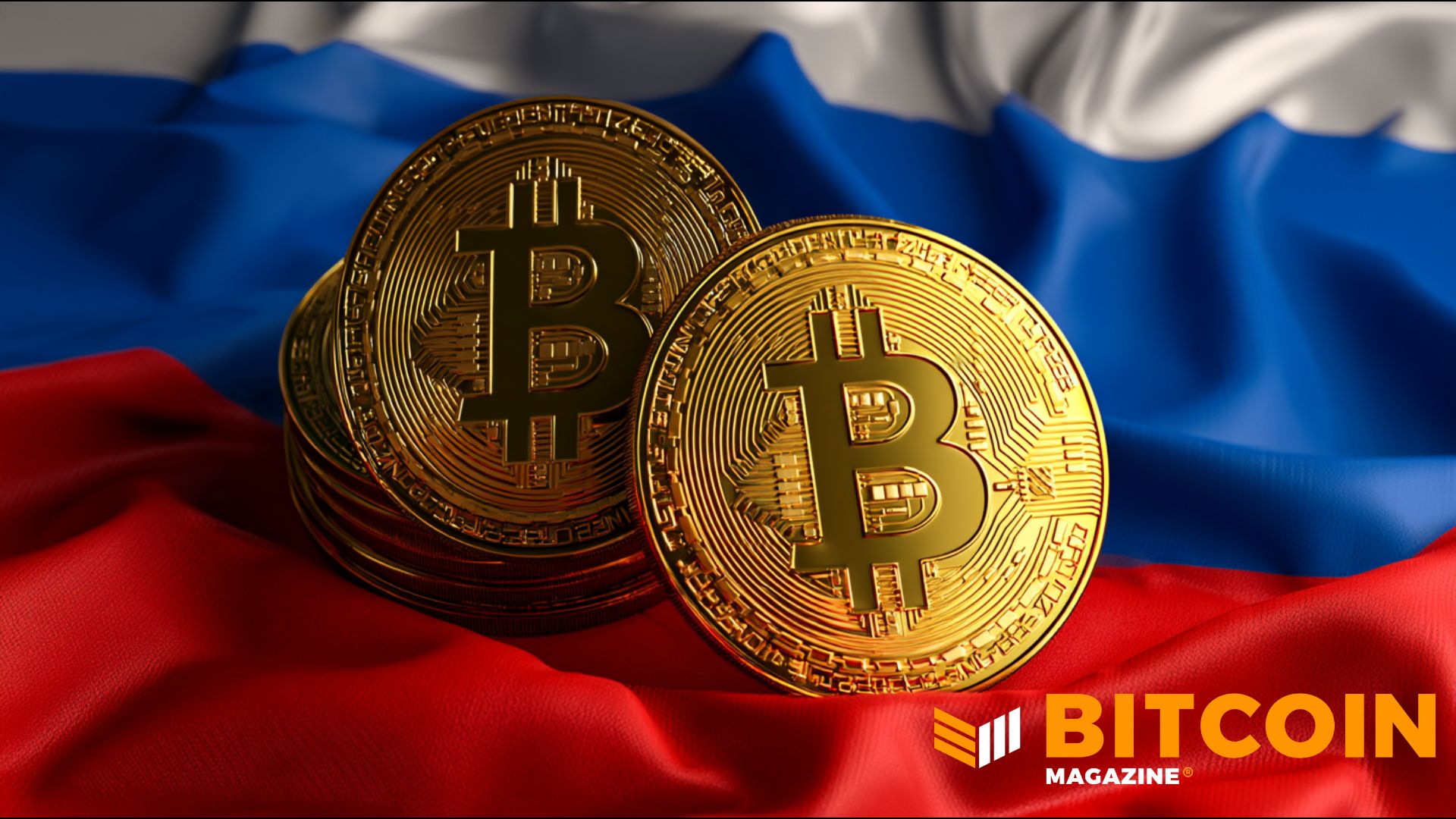
While bitcoin is banned for making payments in Russia, the government is keen on one type of digital money: its own central bank digital currency.
The digital ruble has been available for transactions in the country since September 1, according to a Tuesday report from Tass.
Citing a talk given by Prime Minister Mikhail Mishustin, the news agency said that it was all part of “developing a convenient, fast, and independent payment infrastructure” in Russia.
JUST IN:
Russian Prime Minister Mikhail Mishustin says:
“The circulation of cryptocurrencies has also become legal in the country starting from September 1. The relevant law was signed by the president.”
— Bitcoin Magazine (@BitcoinMagazine) September 22, 2026

Russia has been fast regulating digital assets this year. President Vladimir Putin in August signed a law regulating the circulation of digital currencies and digital rights in the country.
The law states that only registered entities can operate as exchanges, and puts limits on the amount of crypto retail investors can use.
But what about Bitcoin?
President Putin in 2024 seemed to praise the OG cryptocurrency. “For example, Bitcoin, who can ban it? Nobody,” he said at a forum at the time.
“And who can prohibit the use of other electronic payment instruments? Nobody, because these are new technologies.”
The president has also spoken about how the country has “competitive advantages” when it comes to Bitcoin mining due to the abundance of cheap energy in Russia.
Though the Kremlin still has a tight grip on what its citizens can do with it: Retail investors are limited to trading bitcoin and other liquid cryptocurrencies, capped at 300,000 rubles ($3,556) per year, according to the August law. Qualified investors have no restrictions.
And using crypto as a form of payment has been illegal in Russia since 2022.
Central bank digital currencies — or CBDCs — are a centralized form of digital money, issued by a central bank. Bitcoiners have long criticized the idea of such a product because it can be used by governments to surveil its citizens and ultimately even control their spending.
U.S. President Donald Trump even signed an executive order in 2025 prohibiting federal agencies from establishing, issuing, or promoting a CBDC.
But in Russia, a digital ruble is the best way for keeping citizens in check. The Bank of Russia settled early on an architecture that mixes a centralized ledger it controls with distributed-ledger components. The 2021 concept described the preferred model as hybrid — distributed ledgers combined with centralized components — and the full technical details have never been published.
Bitcoin payments, on the other hand, are being used by companies in international payments to counter Western sanctions, Finance Minister Anton Siluanov admitted in 2024.
This post No Bitcoin Payments in Russia — But the Digital Ruble Is Open for Business first appeared on Bitcoin Magazine and is written by Mathew Di Salvo.