



Bitcoin Magazine
Iran Bitcoin Outflows Surge After US-Israel Airstrikes, On-Chain Data Shows
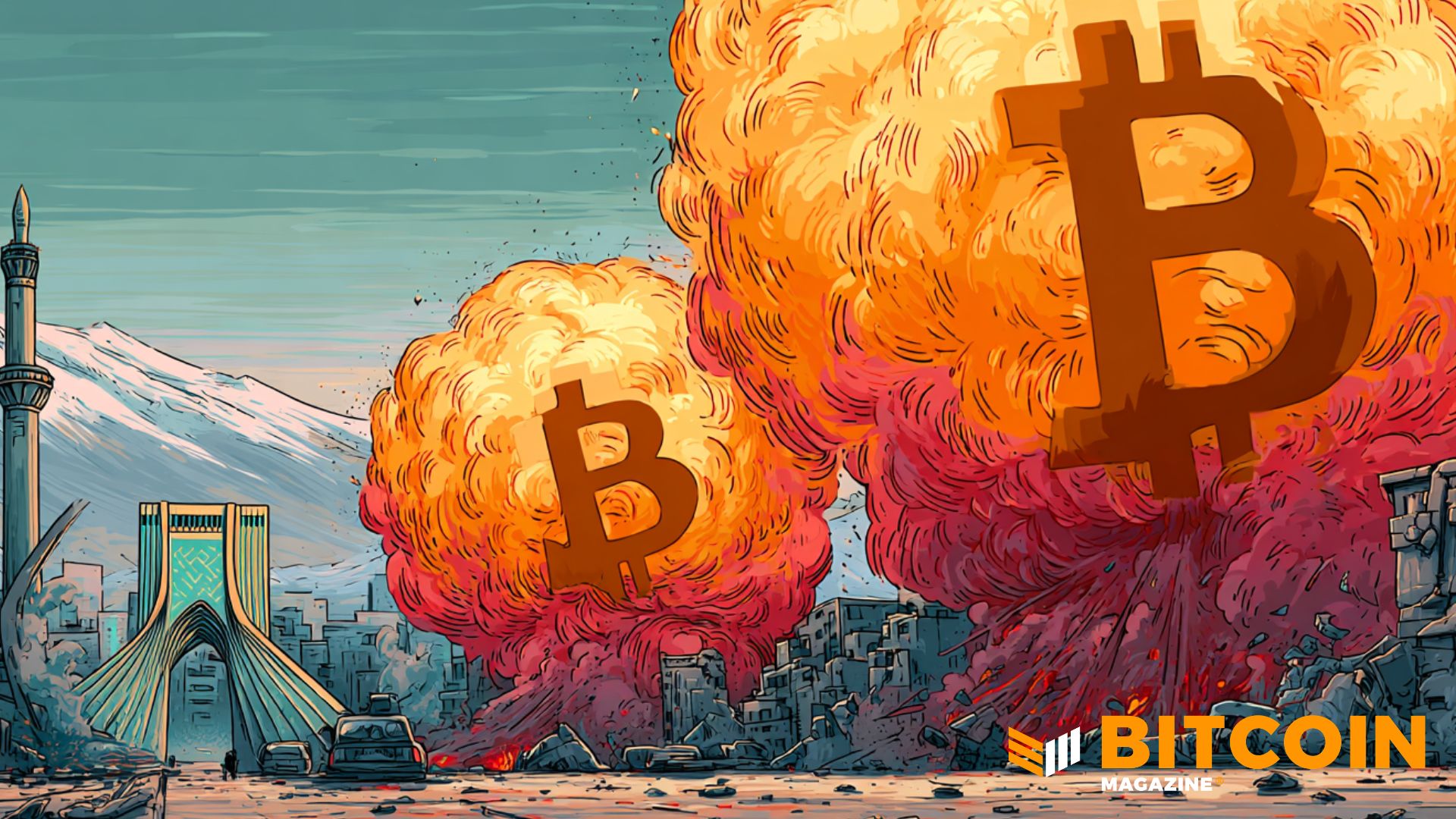
On February 28, 2026, U.S.-Israeli airstrikes struck key targets across Tehran, including nuclear facilities, missile sites, and the Pasteur district, where Supreme Leader Ayatollah Ali Khamenei resided.
Hours later, reports confirmed Khamenei’s death and the deaths of other senior officials. Amid the shock, Iranians turned to bitcoin as a channel for preserving value and moving funds outside the country’s collapsing financial infrastructure.
On-chain data compiled by Chainalysis shows a sharp surge in cryptoactivity from major Iranian exchanges in the hours following the strikes.
Between February 28 and March 2, roughly $10.3 million in crypto assets flowed out of exchanges, a spike that mirrors patterns observed throughout 2025.
Chainalysis’ analysis of Iran’s $7.8 billion crypto ecosystem highlighted how trading volumes and withdrawals typically rise during periods of domestic unrest and geopolitical shocks, reflecting the real pressures faced by ordinary citizens and state actors alike.
Breaking down the outflows, Chainalysis identified three plausible drivers. First, individual Iranians appear to move funds from centralized exchanges to personal wallets, seeking self-custody amid instability.
JUST IN:
Iranians are buying Bitcoin and mass withdrawing it into self-custody amid the war.
Bitcoin is the flight to safety
pic.twitter.com/xL4dk6OSbo
— Bitcoin Magazine (@BitcoinMagazine) March 3, 2026
“We also documented how Bitcoin withdrawals from Iranian exchanges to personal wallets surged during the most recent protest wave, as citizens sought a self-custodial hedge against economic instability and potential crackdowns,” the report read, “until authorities imposed a blanket internet blackout that restricted access to centralized platforms.”
Second, Iranian exchanges may cycle funds across wallets to manage liquidity or obscure operational activity, a practice that gained urgency after a 2025 hack of Nobitex, which saw over $90 million in assets stolen.
Third, some transfers may involve state-aligned actors using domestic platforms for cross-border trade, sanctions evasion, or proxy financing. In the immediate aftermath, distinguishing between these motives remains difficult, requiring deeper wallet-level analysis over time.
The recent activity resembles earlier events. During January’s anti-regime protests, bitcoin withdrawals from Iranian exchanges surged in anticipation of government-imposed internet blackouts, then plateaued during connectivity restrictions, before resuming once access returned.
The February 28 airstrikes appear to have triggered a similar pattern, with outflows climbing sharply in the hours following the attacks.
Surge in Nobitex crypto and bitcoin activity
Nobitex, Iran’s largest cryptocurrency exchange, experienced an even more pronounced spike. Blockchain analytics firm Elliptic reported that outflows from Nobitex jumped 700 percent within minutes of the first strikes.
Nobitex serves more than 11 million users and processed $7.2 billion in crypto transactions in 2025, providing Iranians with a direct conduit from rials to crypto and onward to external wallets.
Elliptic traced many of these funds to overseas exchanges that have historically received Iranian inflows, suggesting that citizens sought to move capital outside the country’s crumbling banking system and international sanctions framework.
The human element behind the numbers is striking. For many Iranians, bitcoin is clearly functioning as a hedge against rapid economic deterioration, currency collapse, and the uncertainty of war.
The February 28 strikes underscore cryptocurrency’s dual role: a lifeline for citizens under duress, and a strategic tool in a broader geopolitical and financial struggle.
This post Iran Bitcoin Outflows Surge After US-Israel Airstrikes, On-Chain Data Shows first appeared on Bitcoin Magazine and is written by Micah Zimmerman.